Get Hvac Replacement
HVAC replacement services help property owners upgrade or install heating and cooling systems to improve comfort and resolve system failures or inefficiencies.
If you're considering replacing your HVAC system, you're in the right place to explore your options. Many property owners in the area evaluate new systems to improve energy efficiency, enhance comfort, or prepare for changing seasons. Planning such projects involves comparing local contractors who can provide the expertise and services needed to ensure a smooth transition. Continuing to read can help you gather the information necessary to make informed decisions about your property's heating and cooling needs.
Finding the right service providers is an important step in the process. Local contractors have experience working with various systems and can offer insights tailored to the specific requirements of your property. By exploring your options and connecting with trusted professionals, you can better understand the benefits of modern HVAC solutions and how they might fit into your property’s ongoing maintenance and comfort strategies.
- HVAC Replacement - when an existing heating or cooling system no longer functions efficiently and needs upgrading.
- Central Air System Replacement - when homeowners want to improve indoor comfort by installing a new central air conditioning unit.
- Furnace Replacement - when a furnace is outdated, malfunctioning, or unable to meet household heating demands.
- Ductless Mini-Split Installation - when a property requires flexible cooling and heating options without ductwork.
- Heat Pump Replacement - when a heat pump is no longer providing reliable temperature control or energy efficiency.
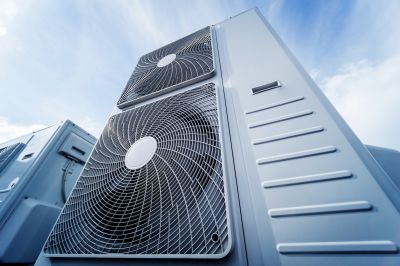
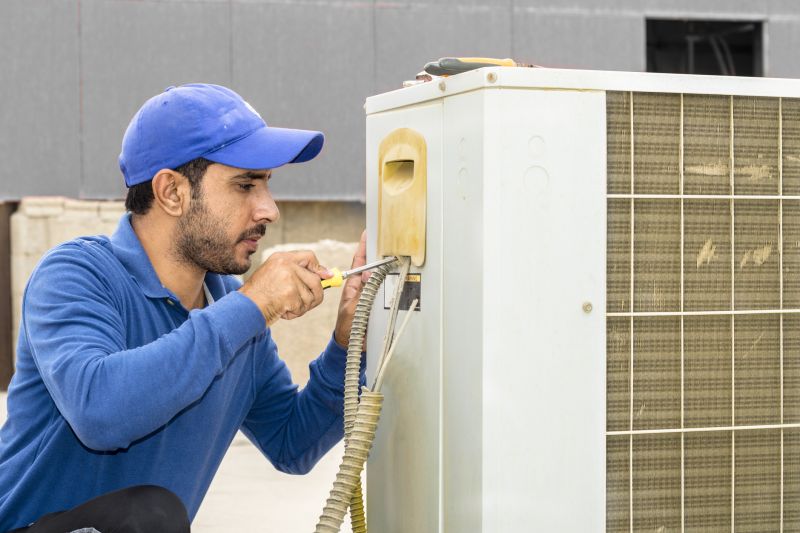
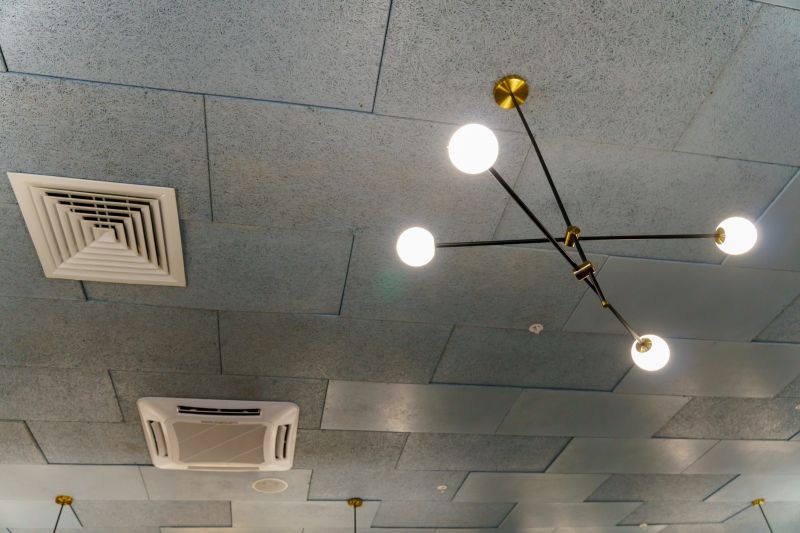
Hvac replacement services involve removing an outdated or malfunctioning heating, ventilation, or air conditioning system and installing a new unit that better meets the needs of the property. This process typically includes assessing the current system, selecting an appropriate replacement, and ensuring proper installation for optimal performance. Homeowners may consider HVAC replacement when their current system no longer heats or cools effectively, experiences frequent breakdowns, or becomes inefficient, leading to higher energy bills and reduced comfort.
This service helps solve common issues such as uneven temperature distribution, excessive noise, increasing repair costs, and declining system efficiency. Over time, HVAC systems can become less reliable or outdated, making replacement the most practical solution for restoring comfort and energy savings. Replacing an aging system can also improve indoor air quality and ensure the property remains comfortable throughout changing seasons, especially when repairs no longer provide a lasting fix.
HVAC replacement is often needed in a variety of property types, including single-family homes, multi-family residences, and small commercial buildings. Homes that are several years old and have not had recent upgrades are prime candidates for replacement. Additionally, properties experiencing frequent system failures, increased energy bills, or outdated equipment may benefit from a new HVAC system. Local contractors can evaluate each property’s specific needs to recommend the best options for efficient and reliable climate control.
Homeowners should consider HVAC replacement when their current system is reaching the end of its lifespan, showing signs of inefficiency, or no longer providing consistent heating or cooling. If the system requires constant repairs or has become noisy and unreliable, replacing it can prevent ongoing issues and improve overall comfort. Connecting with experienced local service providers can help identify the right solution for each property, ensuring a seamless transition to a more efficient and effective heating and cooling system.
The overview below groups typical Hvac Replacement projects into broad ranges so you can see how smaller, mid-sized, and larger jobs often compare in your area.
In many markets, a large share of routine jobs stays in the lower and middle ranges, while only a smaller percentage of projects moves into the highest bands when the work is more complex or site conditions are harder than average.
Smaller Repairs - typical costs range from $250-$600 for routine repairs like replacing a thermostat or fixing minor leaks. Many common maintenance jobs fall within this range, making it a common expense for homeowners.
Partial System Replacements - replacing key components such as a compressor or condenser can cost between $1,500-$3,500. Many projects in this category are mid-sized and stay within this range, though larger systems may cost more.
Full HVAC System Replacement - installing a new complete system usually ranges from $4,000-$8,000, depending on the size and complexity of the home. Larger, more complex projects can reach $10,000 or more, but most fall within the middle of this spectrum.
High-End or Complex Installations - premium systems or extensive upgrades can exceed $10,000, with some specialized projects reaching $15,000+ or higher. These are less common and typically involve larger, more intricate setups.
Actual totals will depend on details like access to the work area, the scope of the project, and the materials selected, so use these as general starting points rather than exact figures.
Air Duct Replacement - professionals who install and replace air ducts share skills in airflow planning, system sizing, and tool use similar to HVAC replacement projects.
Furnace Installation - local contractors experienced in furnace setup have expertise in heating systems, electrical connections, and ventilation similar to HVAC upgrades.
Thermostat Upgrades - technicians who install advanced thermostats are familiar with HVAC system controls, wiring, and system compatibility, supporting replacement services.
Ventilation System Installation - experts in installing or upgrading ventilation systems have skills in airflow management, ductwork, and planning comparable to HVAC replacements.
Boiler Replacement - boiler installation involves similar planning, system sizing, and pipework skills as those used in comprehensive HVAC system upgrades.
Air Conditioning System Replacement - specialists who replace or upgrade air conditioning units have experience with refrigerant systems, electrical work, and system integration akin to HVAC replacements.
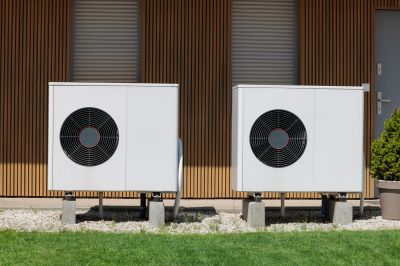
When comparing HVAC replacement service providers, it’s important to consider their experience with similar projects. Homeowners should look for local contractors who have a proven track record of handling replacements comparable in size and complexity to their own. An experienced professional will be familiar with common challenges and best practices, which can contribute to a smoother process and a more reliable outcome. Checking how long a contractor has been working in the area and their familiarity with local building codes and standards can also provide insight into their capability to deliver quality work.
Clear, written expectations are essential when evaluating potential service providers. Homeowners should seek out contractors who provide detailed estimates that outline the scope of work, materials to be used, and any warranties or guarantees offered. This transparency helps prevent misunderstandings and ensures everyone is on the same page about what the project entails. Having a well-defined plan also makes it easier to compare options objectively, focusing on the quality and scope of services rather than just price.
Reputable references and good communication are key factors in selecting a dependable HVAC contractor. Local service providers who can provide references from past clients demonstrate their ability to deliver satisfactory results. Additionally, contractors who communicate clearly and promptly can help keep the project on track and address any questions or concerns effectively. While the site introduces homeowners to local options, it’s important to remember that it does not perform the work itself. Instead, it serves as a resource to connect homeowners with qualified service providers who can handle the project professionally and reliably.
Property owners use Hvac Replacement services for practical projects around their homes and businesses. This guide focuses on everyday jobs and straightforward project options.
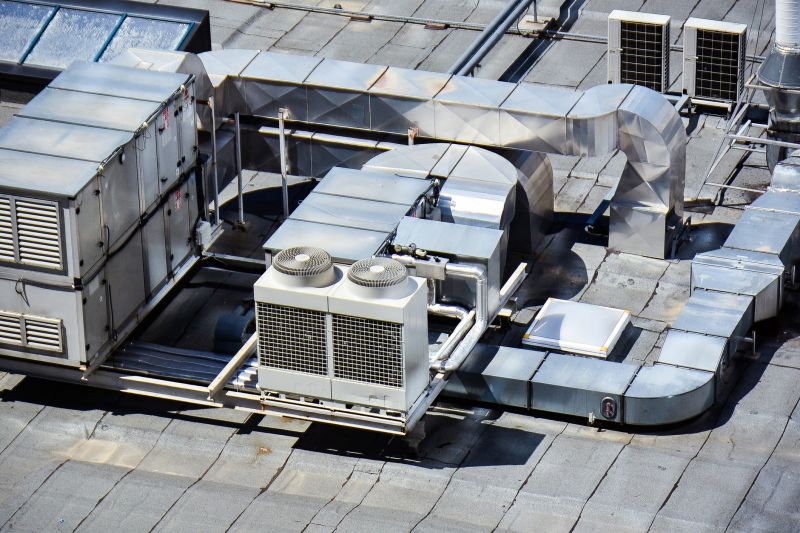
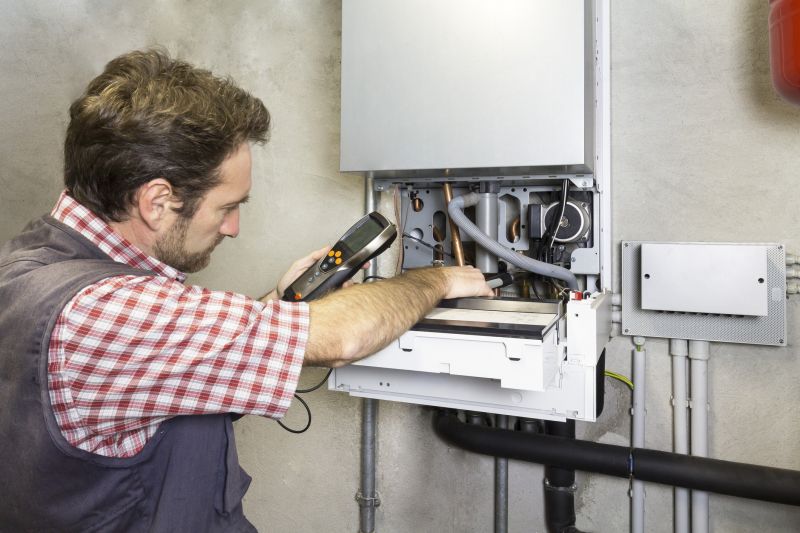
Hvac replacement services are often needed when property owners notice their heating or cooling systems are no longer functioning efficiently. Common situations include systems that are aging, frequently breaking down, or unable to keep up with the demands of the property. Additionally, residents and business owners may seek replacement when upgrading to newer, more reliable equipment or when experiencing rising energy bills that suggest outdated systems are no longer cost-effective.
Many property owners look for local contractors to handle hvac replacement due to the importance of maintaining comfortable indoor environments. Whether due to a system failure, an increase in repair costs, or the desire for improved energy efficiency, these projects are essential for ensuring reliable climate control. Local service providers are available to assess existing equipment and recommend suitable solutions to meet the specific needs of homes and businesses in the area.
When should I consider replacing my HVAC system? Replacement may be recommended if the system is frequently breaking down, has reduced efficiency, or is nearing the end of its expected lifespan. Local contractors can assess your current setup and advise on the best course of action.
What types of HVAC systems are available for replacement? There are various options including central air conditioning, heat pumps, ductless mini-splits, and furnaces. Service providers can help determine which system suits your home and needs.
How can I determine if my current HVAC system needs an upgrade? Signs include inconsistent temperatures, rising energy bills, strange noises, or frequent repairs. Local service providers can evaluate your system and suggest suitable replacement solutions.
Are there energy-efficient HVAC options for replacement? Yes, many modern systems are designed to be energy-efficient, which can help reduce utility costs. Local contractors can recommend models that meet your efficiency preferences.
What should I consider when choosing a new HVAC system? Factors include the size of your space, your comfort preferences, and compatibility with your home. Connecting with local pros can help identify the best system for your situation.
HVAC Replacement Planning - Property owners can explore options for replacing outdated or inefficient heating and cooling systems to improve comfort and energy use.
Seasonal System Upgrades - Homeowners preparing for seasonal changes might consider upgrading their HVAC systems for better performance during extreme weather conditions.
Energy Efficiency Improvements - Property managers can evaluate whether a new HVAC system could help reduce energy consumption and lower utility bills.
System Compatibility Checks - Those renovating or expanding their property can assess if existing ductwork and infrastructure are suitable for a new HVAC installation.
If you are thinking about Hvac Replacement for a property, this guide is meant to help you understand the work, the typical project types, and how different options might fit your plans.
When you are ready, you can use the quote form on this page to share a few details about your project. From there, local pros can review the basics and respond with options that match what you have in mind.